
Corymbia and Pistacia: Which tree suits your urban space?
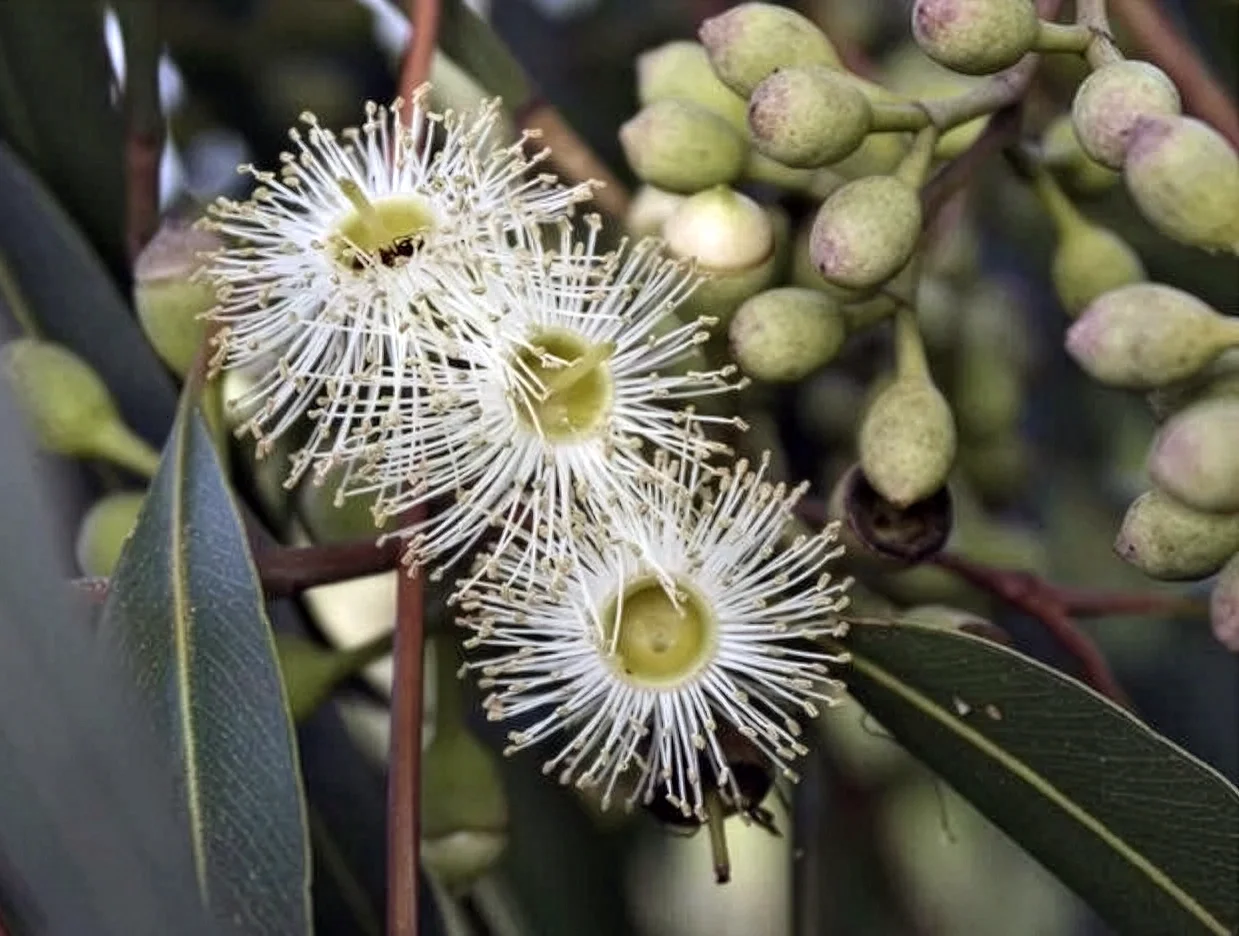
Right now on the farm, we have two Corymbia varieties ready to go - Corymbia ‘Baby Citriodora’ and Corymbia ‘Scentuous’.
Both are great dwarf or compact trees for urban spaces - reliable, flexible options especially where projects come with constraints.
If the brief calls for something more of a feature, we also have the gorgeous Pistacia chinensis available.
They serve different purposes, and the key is knowing where each one fits and what role it needs to play in your planting.
Corymbia - for if you have project constraints.
Some projects have restrictions like narrow verges, services close to the surface or compacted soil. Your project may also have limited space for the canopy to develop.
That’s where Corymbia comes into its own.
Both Baby Citriodora and Scentuous are being used regularly in streetscapes and tighter urban sites because they’re predictable and adaptable.
reliable establishment in built-up conditions
consistent, manageable canopy development
form suited to clearance requirements and sightlines
low intervention once established
They’re not immune to poor conditions, but they handle variability better than most, which is often what matters on larger or more exposed sites.
They also work well when planted together across a project, creating a uniform structure that holds up over time.
From a longer-term perspective, that consistency reduces the usual issues that show up a few years in, such as uneven growth, repeated corrective pruning, or early replacement.
In practical terms, you’re getting a tree that tends to stay within its brief.
If you’re dealing with a site where things are tight or less than ideal, Corymbia is usually the starting point.
Does it sound like Corymbia might work for your project? Give us a call to chat about your options.
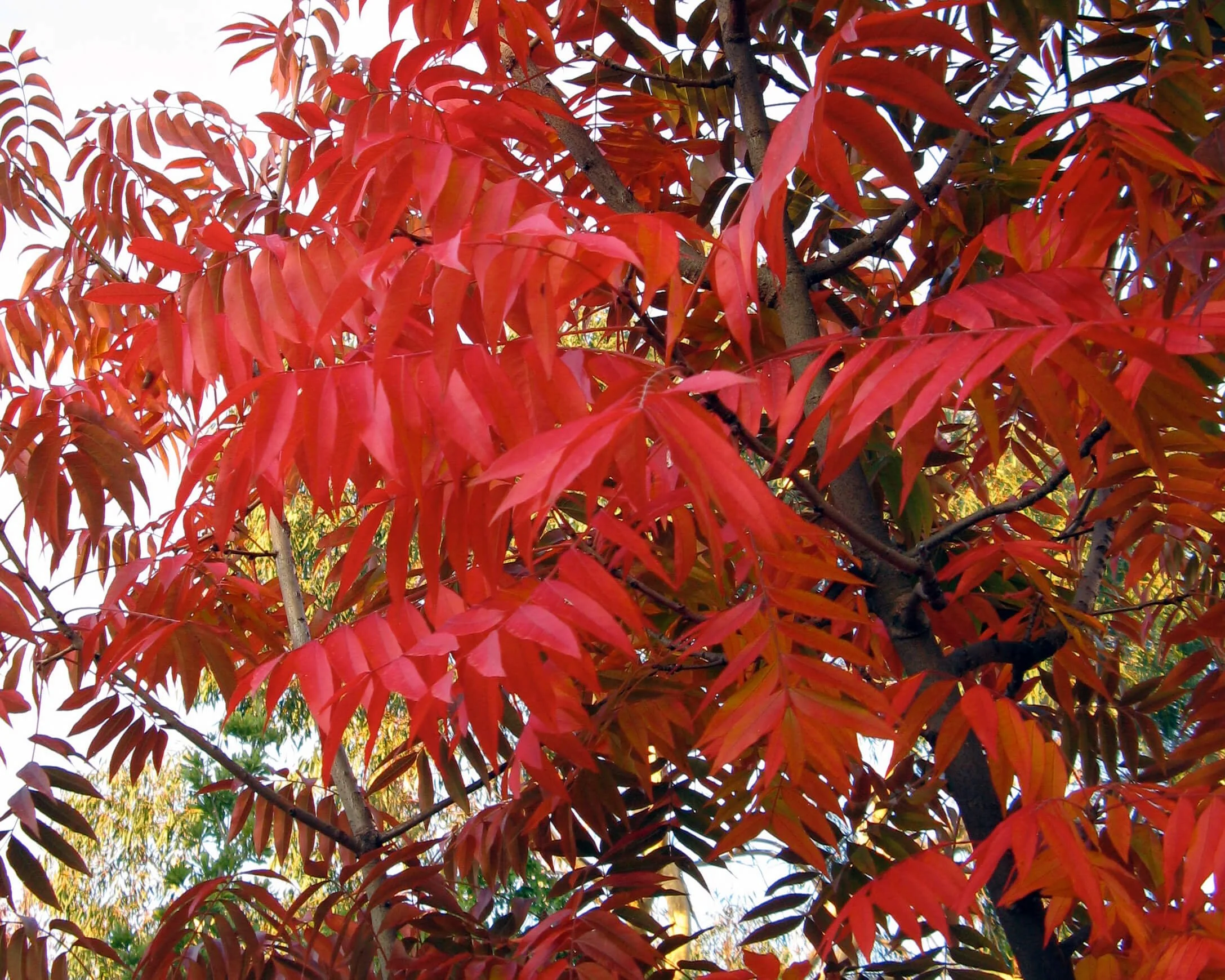
If the project calls for something more distinctive, consider Pistacia.
Sometimes the brief is a bit different, and we have some lovely Pistacia available right now that might fit your requirements.
Perhaps you have more space to work with, or a section of the project where the planting needs to stand out.
That’s where the Pistacia chinensis comes in.
It’s a feature tree, rather than a structural one.
strong seasonal change, particularly through autumn
contrast in texture and character compared to native palettes
suited to areas where visual impact matters
It can still perform in urban conditions, but it’s less forgiving than Corymbia.
more sensitive to soil quality and site preparation
slower canopy establishment compared to faster-growing shade trees
greater variation across larger plantings
Because of that, it’s usually used more selectively.
key streets or pedestrian areas
spaces where people spend time, not just move through
as contrast within a broader planting scheme
It also suits sites with more soil volume and growing room, rather than tight, service-heavy corridors.
Used this way, it adds something that a fully native, uniform palette often doesn’t, without creating unnecessary maintenance pressure.
Availability and planning for your project.
From a supply point of view, both options are currently ready to go.
Corymbia lines are available now and moving consistently, which makes these compact trees ideal for urban spaces with tighter timelines or staged delivery.
They’re often easier to align across larger quantities, helping maintain uniformity across a site.
Pistacia chinensis is currently also looking great in 75L bags.
This tree benefits from forward planning, particularly if you’re looking for consistency in size and form. If you’re working on a project that will roll out over time or needs to align with delivery schedules, it’s worth locking in early.
Choosing the right tree comes down to the role it needs to play.
In most cases, it’s not about which tree is better.
It’s about what the project needs.
If the priority is reliability, coverage and consistency, Corymbia will carry most of the load
If there’s room for variation or a more distinctive outcome, Pistacia can be introduced where it makes sense
We’re seeing more projects use both - Corymbia to establish structure, and Pistacia to create moments in a scheme.
Talk to us about what will work on your site.
Every site is different.
If you’re working through a project and trying to match species to conditions, timing or availability, we’re happy to help.
We can talk through what’s currently available, what’s coming up, and what’s likely to perform given your site constraints.
Sometimes that’s the difference between a planting that looks right on paper and still works five or ten years down the track.
