
Tree of the month – Melia azedarach 'Elite' (White Cedar)
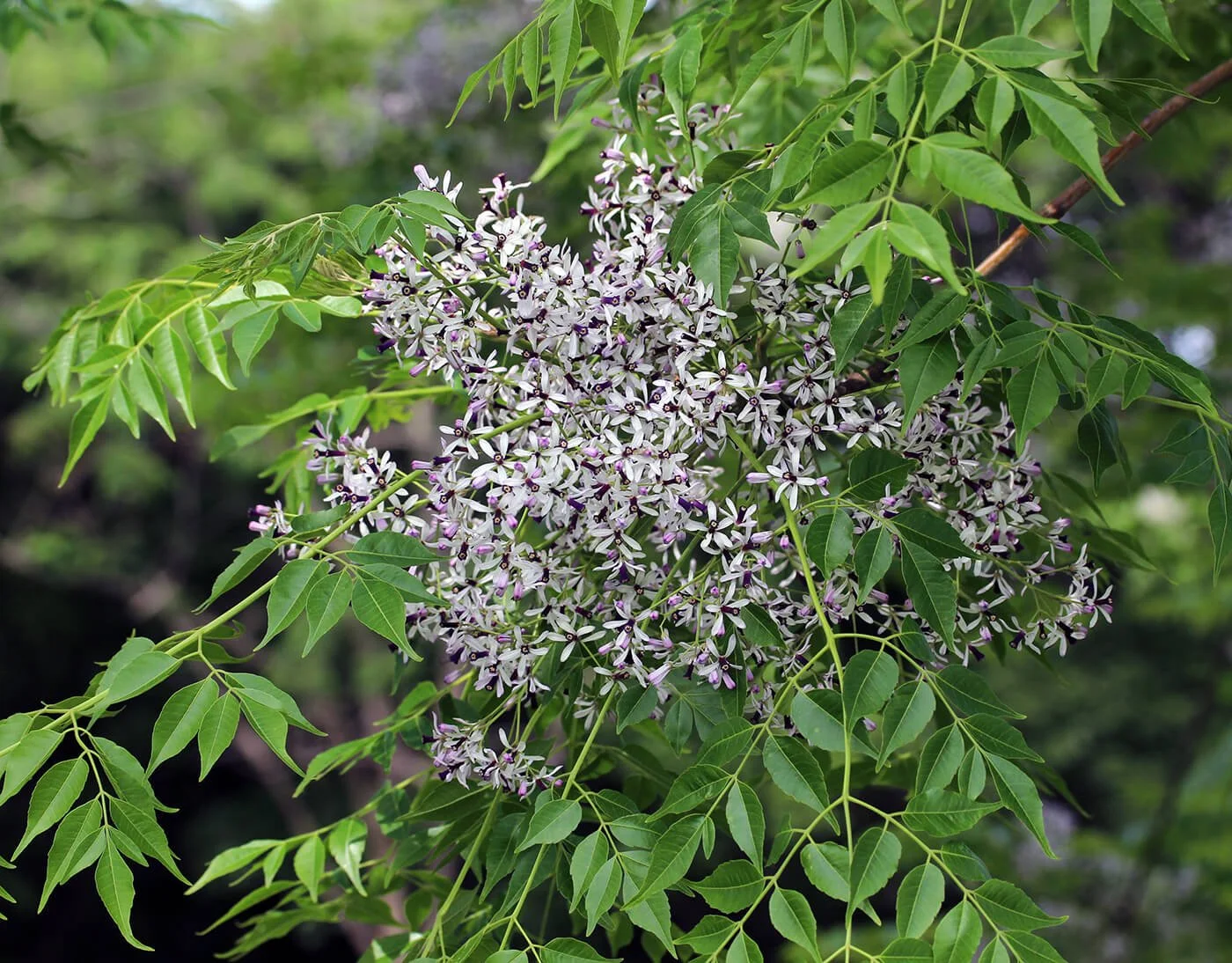
Tree of the month: 5 reasons to plant Melia azedarach ‘Elite’ - A drought-tolerant urban standout.
As the beginning of the year continues to be hot and dry, we've taken a look at our stock to see what stands up to the heat for February's Tree of the Month.
What stands out a mile is Melia azedarach ‘Elite’ - commonly known as the White Cedar ‘Elite’ - for its remarkable resilience and good looks. This sterile cultivar builds on the proven strengths of the species - drought tolerance, adaptability, and seasonal appeal - without the usual fruit drop or maintenance headaches. It's been a standout on our farm, especially through spells of dry, hot weather.
Below are five reasons why we keep coming back to Melia azedarach ‘Elite’, and why it could be a smart fit for your next urban or commercial planting project.
1. It handles drought like a pro.
Melia 'Elite' is seriously drought-hardy, especially once it’s had time to settle in. We’ve found it performs just as well in unirrigated settings as it does with regular watering, which makes it a great fit for:
Water-restricted streetscapes and median strips
Regional councils working in dry zones
Commercial projects aiming for low-maintenance, climate-smart planting
In both trials and our own field experience, this cultivar holds its leaf cover and stays green when many other trees start to struggle. Even through extended summer heat, we’ve seen it stay healthy with no tip burn or canopy dieback.
Its deeper root system helps it tap into moisture lower down, which means it keeps performing without needing much help from above.
Because it evolved in areas with long dry spells followed by bursts of rain, it’s naturally good at handling climate extremes. That makes it a smart choice for anyone trying to futureproof urban plantings against unpredictable rainfall and shrinking water budgets.
2. Right size for streets and small spaces.
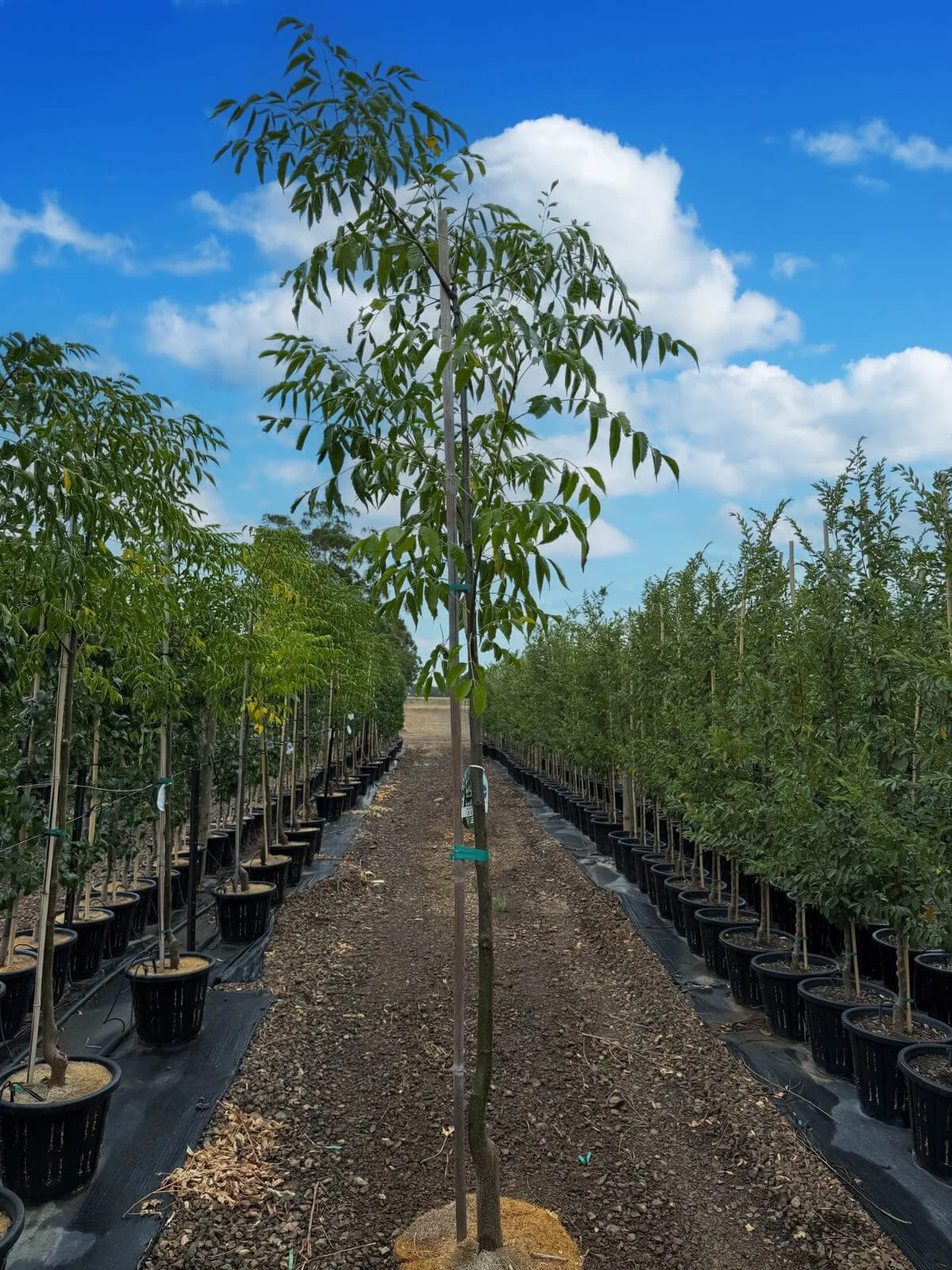
With a mature height of 6–10 metres and a canopy spread of 5–8 metres, Melia azedarach Elite gives you plenty of shade without causing issues under powerlines or in tighter sites. It grows with a tidy, dome-shaped crown and an upright habit that suits:
Street plantings where space and sightlines matter
Car parks and shared public spaces
Smaller residential or mixed-use developments
Train it early with some formative pruning and you’ll end up with a strong central leader and scaffold limbs that don’t need constant correction. We've found it responds well to early shaping and holds its structure as it matures, which means less ongoing maintenance.
Its roots are another plus: they’re non-invasive and well-behaved, so you won’t be dealing with cracked pavements or damaged infrastructure. This makes it a safe option for narrow verges or tight planting zones.
3. Looks good all year.
This tree earns its spot in the landscape with standout seasonal interest:
Spring: Clouds of lilac-pink star-shaped flowers with a subtle fragrance
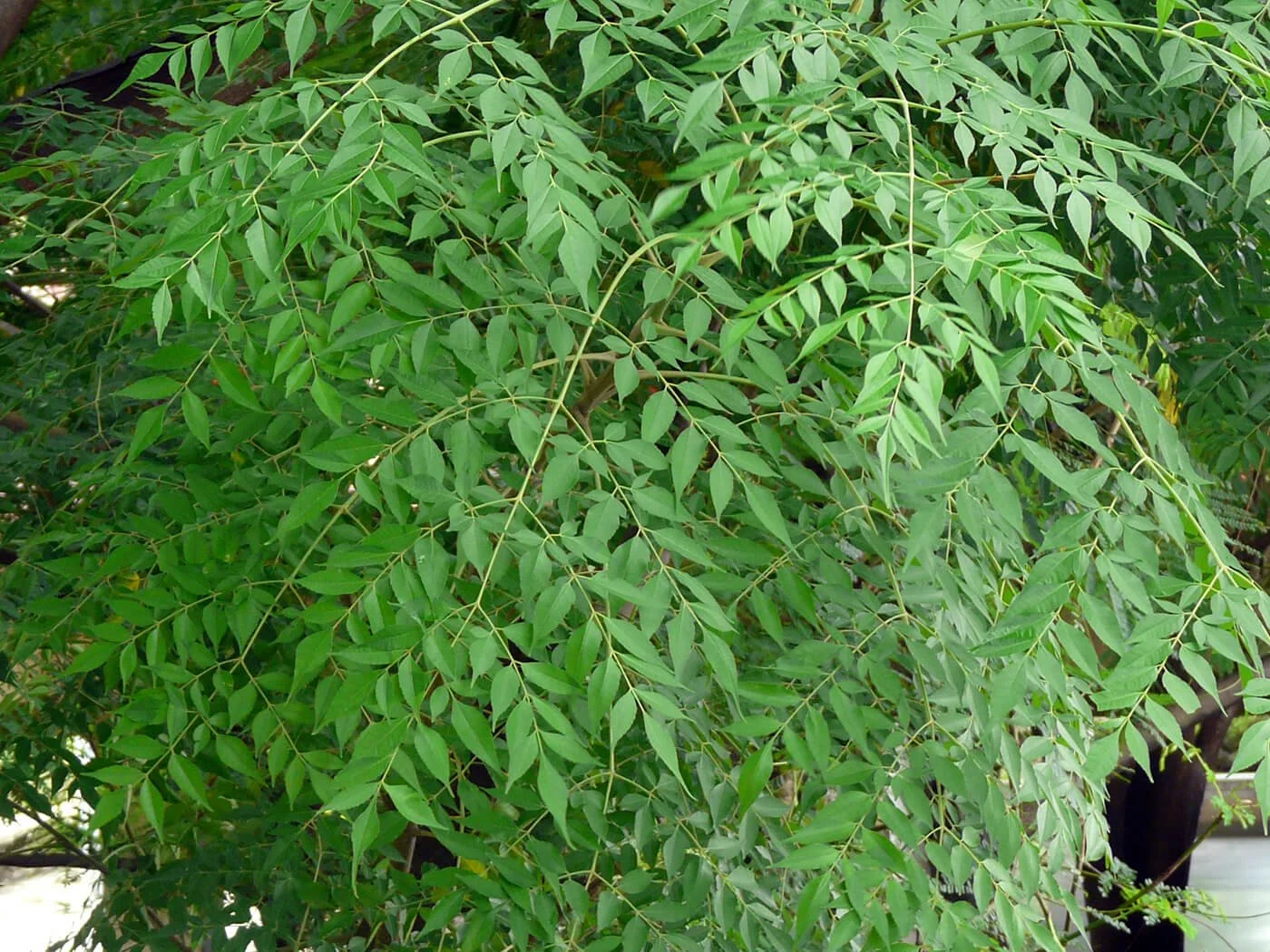
Summer: Dense green canopy with fine, fern-like foliage that throws excellent dappled shade
Autumn: Soft golden foliage for a seasonal colour change
Winter: Bare branches that let in light and show off the tree’s bark and form
Best of all, ‘Elite’ is fruitless. Unlike standard White Cedars, there are no hard yellow berries to drop on paths or clog drains. That means less mess, no risk to pets or kids, and no clean-up for maintenance crews.
This makes it an ideal fit for high-traffic areas like schools, parks, hospitals and streetscapes, where safety and appearance both matter. It’s a perfect example of a low-maintenance urban tree that still delivers year-round impact.
4. Set and forget (almost).
Melia 'Elite' is one of those trees you don’t have to fuss over. It’s adaptable, hardy, and generally gets on with the job once it’s in the ground. Here’s what we’ve noticed:
It grows well in a wide range of soils, including poor and compacted sites
It copes with heat, dry winds and pollution
It rarely has pest or disease problems
It can be pruned hard, and even if pollarded, it will bounce back. That flexibility is great for sites where size needs to be managed. It grows at a steady pace - fast enough to give canopy impact quickly, but without getting out of hand.
Its deciduous nature is another bonus: it lets light through in winter, which can benefit surrounding plants or turf. Structurally, it’s solid too. We haven’t noticed any issues with weak limbs or breakage as yet, even in high-wind zones.
5. No fruit, no problems.
What really sets 'Elite' apart is its sterility. This cultivar is propagated from cuttings, not seed, which means it stays true to type and doesn’t produce viable fruit.
That solves a lot of the headaches associated with seed-grown White Cedars:
No messy fruit drop or trip hazards
No toxicity risk from fallen drupes
No chance of the tree naturalising or spreading into bushland
We’ve seen increasing interest from councils looking to expand their urban canopy without taking on ecological risk. 'Elite' delivers the beauty of the species without the weed potential. It’s a great example of how smart breeding can make a native tree even more site-suitable.What really sets 'Elite' apart is its sterility. This cultivar is propagated from cuttings, not seed, which means it stays true to type and doesn’t produce viable fruit.
That solves a lot of the headaches associated with seed-grown White Cedars:
No messy fruit drop or trip hazards
No toxicity risk from fallen drupes
No chance of the tree naturalising or spreading into bushland
We’ve seen increasing interest from councils looking to expand their urban canopy without taking on ecological risk. 'Elite' delivers the beauty of the species without the weed potential. It’s a great example of how smart breeding can make a native tree even more site-suitable.
Drought-proof, low-maintenance and landscape-ready.
Melia azedarach ‘Elite’ is the kind of tree that earns its keep. It handles heat, copes with tough sites, and looks good doing it. We keep growing it for a reason: it's consistent, reliable, and makes life easier for everyone from growers to arborists to asset managers.
It's especially useful for:
Regional and remote councils working with low water availability
Urban projects needing dependable trees in small planting zones
Landscapers and developers looking for a fast-establishing, low-fuss option.
Want more trees like this?
Sign up for the Arboretum Farm newsletter to get monthly updates on standout performers, seasonal tips, and what we’re seeing in the field. No fluff - just practical insights from the nursery to your next project.
