
Lemon Myrtle in summer: How has it performed since winter?
Update on the progress of Backhousia citriodora.
Now that we’ve moved from spring into early summer, we’ve been watching how Backhousia citriodora, aka Lemon Myrtle, is handling the shift. Our August article on why it deserves a place in civic landscapes was one of our most popular articles, so it felt like a good time to share an update on how it’s tracking, and what that might mean for projects planning ahead.
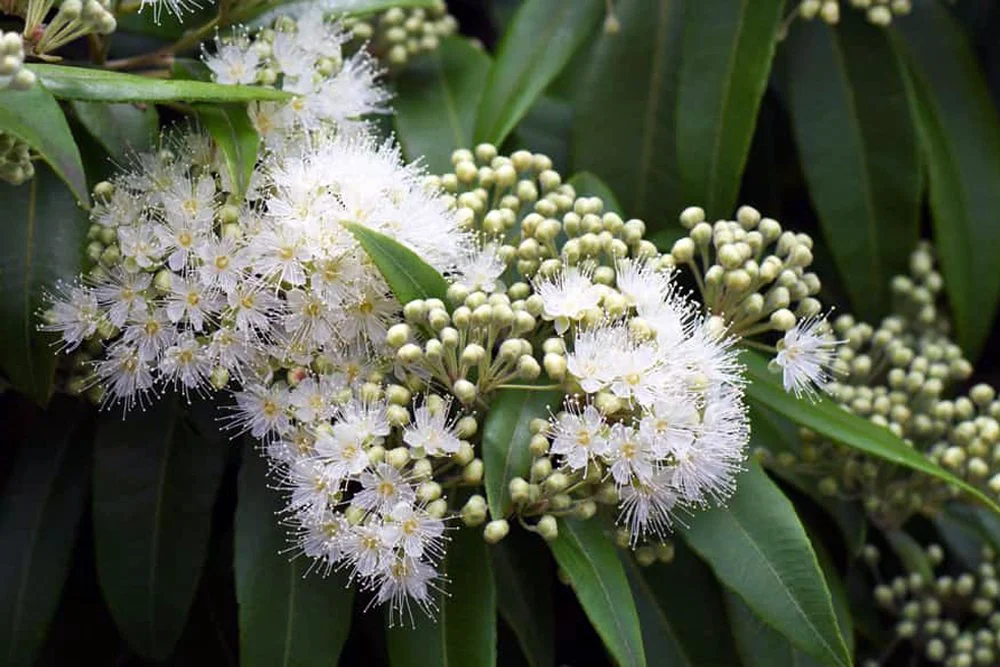
The good news? It's holding up beautifully. Across the nursery, we’re seeing glossy new foliage, buds have blossomed into full flower, tidy canopies and promising signs of resilience heading into peak heat.
The seasonal performance of Lemon Myrtle continues to highlight its versatility as a drought-tolerant native species, especially for sensory planting in urban design.
Spring to summer: How it’s progressing
Spring brought a lovely growth of soft new foliage. Younger stock bounced back well from light frosts, with healthy root activity and upright early form. We’re now seeing good development in 400mm pots.
Early Summer has tested that progress with a few hot spells. So far, Lemon Myrtle is showing robust resilience. The canopies are holding their density, colour is strong, and growth has stayed consistent. We’ve had better results in sheltered rows and northern aspects, which is no surprise, but it’s confirmed how much microclimate matters with this species.
What an update from the farm? Talk to Zac about Lemon Myrtle’s progress.
Microclimates: Where it’s thriving
This season continues to reinforce what we’ve observed in past seasons: Lemon Myrtle thrives in warm, sheltered spots. Here in Nathalia, prevailing winds are north - northwesterly in summer, so our Lemon Myrtles receive a lot of exposure to hot northerly winds, but are protected from the westerly wind and late afternoon sun.
Interestingly, we’re seeing better-than-expected results even in some cooler zones on the farm - provided there’s protection from wind and good sun exposure.
We have seen them grow across a variety of sites, and they perform well in most conditions, making them a really versatile option.

Watering: What’s working
Lemon Myrtle has handled the summer transition well so far with moderate watering. Young stock benefits from deep, infrequent watering - especially in well-prepared soil. We’ve made some irrigation adjustments on our own rows, and the uniformity in growth has improved noticeably.
For Jan–Feb, we’re recommending consistent moisture without overwatering. In compacted sites or heavier soils, it's worth checking drainage as Lemon Myrtle doesn’t like sitting wet.
Pruning and form
These trees benefit from pruning in late summer. Removing flowerheads after flowering shapes and promotes healthy new growth in spring.
In the field, branching is clean and upright, with strong leader dominance. We’ve also noticed that Lemon Myrtle maintains a neat, compact form when pruned early. It’s less prone to sprawling than some other natives.
Compared to species like Callistemon or Melaleuca, it’s giving us better natural shape in the first few years.
Where it’s working best
Lemon Myrtle is proving a smart fit in:
Sheltered civic spaces and courtyards
Hospitality forecourts and paved plazas
School gardens and sensory zones
Mixed native planting palettes needing structure and scent
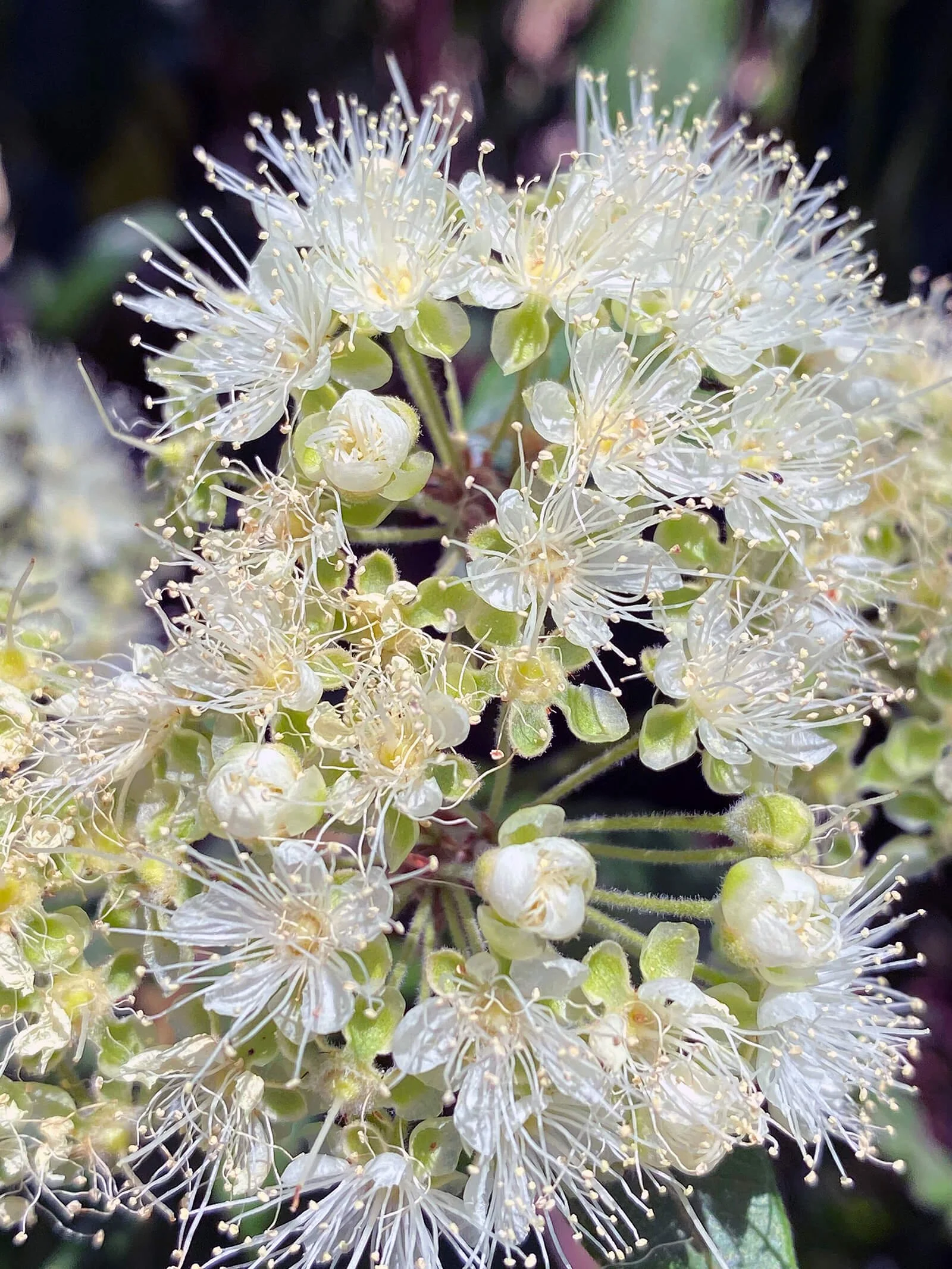
Lemon Myrtle flowers prolifically attracting large number of pollinators - worth noting when planting in proximity to schools and playgrounds.
It still needs support in frost-prone or exposed coastal sites, especially in its early years, but it’s proving a very adaptable species with the right siting and care.
Stock and supply outlook
Stock is holding well heading into January, with 400mm stock available in late summer to mid autumn. We’re already seeing solid interest in autumn and spring 2026 projects. Landscape contractors planning mid-year delivery windows have already begun locking in supply.
If you’re planning ahead, contract growing remains a good option, particularly for larger civic or sensory planting zones. Our team can support timelines by placing forward orders to match project milestones.
Key takeaways for project planning
Lemon Myrtle is showing strong early summer performance, especially in warm, protected microclimates.
Growth is consistent and structural form is holding.
Moderate watering and airflow are key through summer.
Now is a good time to reserve stock for autumn planting or line up forward orders for 2026.
We’re seeing strong, reliable performance from Lemon Myrtle this season - with good early canopy structure and resilience. If you’d like to walk the rows, check availability or talk through options for future planting, talk to Zac.
